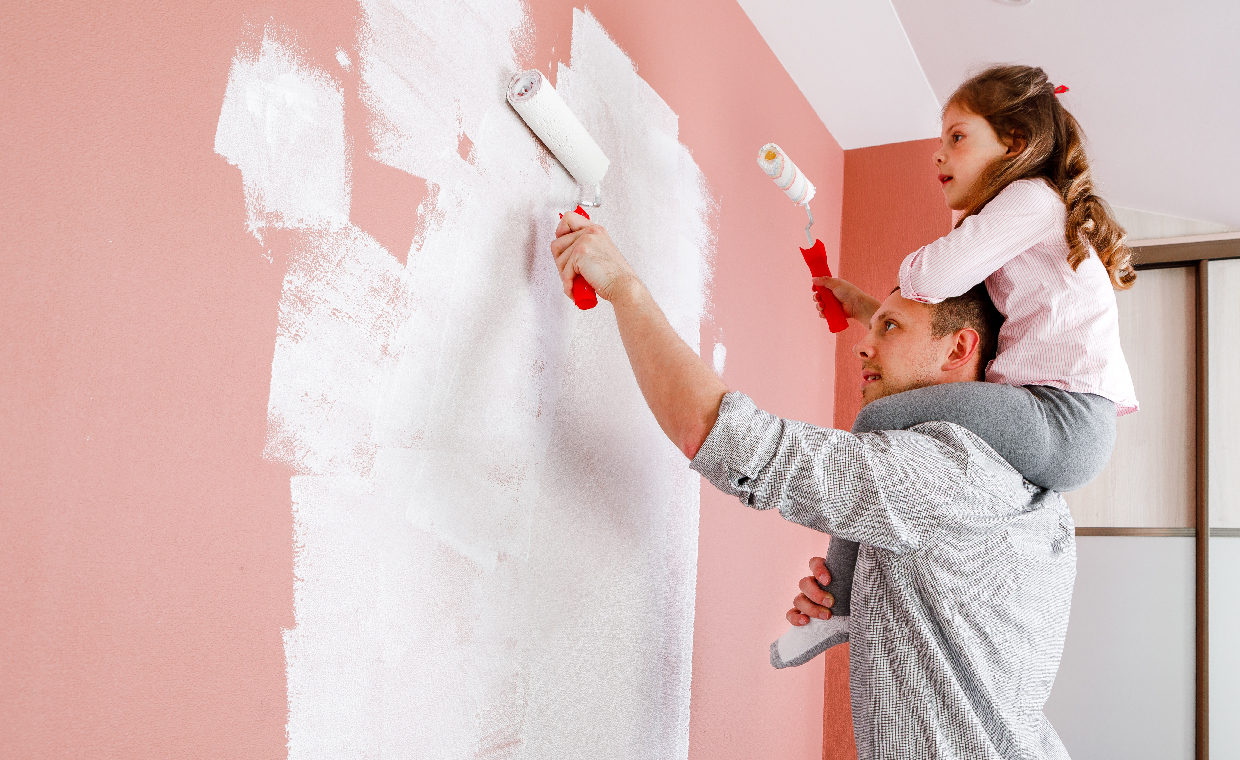

When it comes to transforming the aesthetics of your home, few elements are as impactful as a fresh coat of paint. Interior house painters play a crucial role in bringing spaces to life, enhancing ambiance, and increasing the overall value of your property. Whether you’re looking to refresh your living room, add a splash of color to the kitchen, or create a serene atmosphere in your bedroom, professional painters possess the skills, tools, and expertise to achieve stunning results tailored to your vision.
In this article, we will explore the essential qualities to look for in an interior house painter, the benefits of hiring professionals for your painting projects, and some tips on successfully collaborating with them to ensure your home reflects your personal style. Understanding these aspects will not only help you make informed decisions but will also elevate your residential spaces into personalized works of art.
Qualities of a Professional Painter
When selecting an interior house painter, it is essential to consider their experience and reputation. A skilled painter should not only have a portfolio showcasing their past work but also positive reviews from clients. Attention to detail is critical, as it can significantly affect the final outcome of your project. Additionally, a good communicator will ensure that your ideas and preferences are understood and incorporated effectively. For those in Wishart, exploring available options can lead you to a reputable Interior House Painter Brisbane who meets these standards.
The Benefits of Hiring Professionals
Hiring professional interior house painters offers numerous advantages that DIY painting often cannot match. Professionals come equipped with the right tools and techniques, ensuring that the job is done efficiently and with high-quality finishes. They can also provide valuable advice on color selection and the various painting techniques that might work best for your space. Moreover, when choosing professionals, you can have peace of mind knowing that the project will adhere to safety protocols, minimizing the risk of accidents and promoting a flawless result.
In conclusion, entrusting your interior painting project to a professional house painter can significantly enhance the transformation of your home, allowing you to achieve a look that resonates with your style while ensuring a high standard of quality and safety. By carefully selecting a painter based on their experience, reputation, and communication skills, you can create a collaborative environment that brings your vision to life. The expertise and meticulousness that come with professional painting can elevate your living spaces, making them not just visually appealing but also welcoming and comfortable. Ultimately, investing in skilled interior house painters is a decision that pays off both in the short term and for the long-term enjoyment and value of your home.